
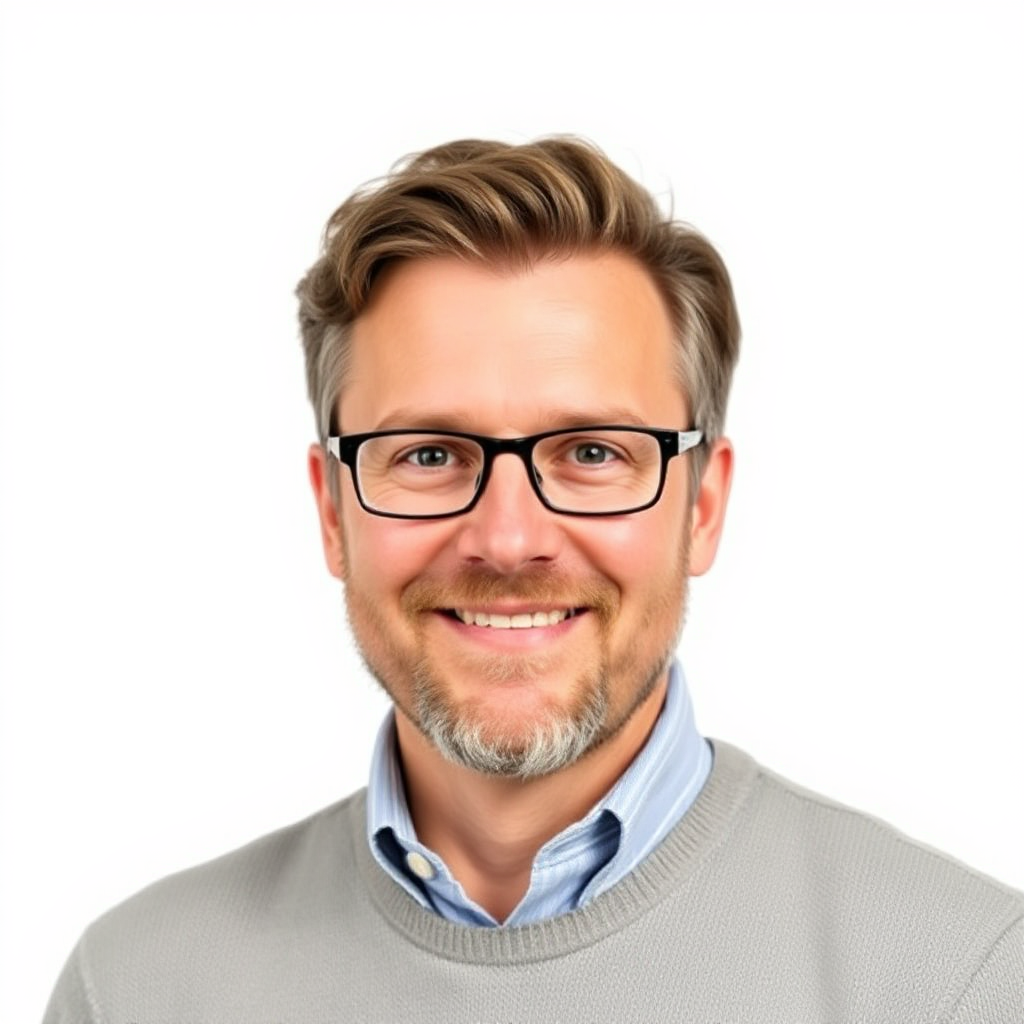
The deceased US second-in-command Dick Cheney, who has died at age 84, was seen as among the most significant holders of that office in US history. Whereas many vice-presidents were confined to minor or figurehead roles, Cheney exercised huge power during the presidency of George W Bush, to the point that he was often described as the "true president".
Bush resented such a characterisation and claimed the relationship was more nuanced. He observed that Cheney was courteous, invariably calling him in public settings as President, while he referred to him as Dick. Bush disputed even portrayals of their association as a team because it implied that they were on equal footing. Despite such protestations, Cheney considered the laidback president malleable on a wide array of policy decisions.
The Post-9/11 Era
Leading of a contingent of neo-conservatives that encompassed defence secretary Donald Rumsfeld and assistant defense secretary Paul Wolfowitz, he pushed hard for the invasion of Iraq in 2003 in response to the terrorist strikes on New York and Washington. During of the 9/11 attack, Bush had been participating in a gathering at a educational institution in Florida. Whereas Bush headed for a secure location in Nebraska, Cheney assumed control, directing the destruction of any non-communicating aircraft heading toward the US Capitol.
Cheney said the assaults transformed him, making him become focused on retaliation. In conjunction with other conservative figures, including Rumsfeld and Wolfowitz, he lobbied for a occupation of Afghanistan in an endeavor to seize Osama bin Laden. Cheney then pressed fiercely for the invasion of Iraq, though there was no evidence of Saddam Hussein having involvement.
Debated Policies
He expressed no regrets about the military campaign, in which an reckoned 100,000 Iraqis died, and not about the waterboarding of individuals apprehended after 9/11. He informed CNN in 2015 that the Iraq invasion, which was predicated on inaccurate information circulated by Cheney, was the proper decision. "It proved to be the correct action to do at that time. I believed it back then and I maintain that stance presently."
However during that period, there were contrary opinions at a top tier about the poor management of Iraq. One of the administration's own representatives to the region, General Anthony Zinni (2001-03), was not retained from the role. "I witnessed, at the very least," he subsequently stated "clear negligence, carelessness, and irresponsibility: at worst, lying, incompetence, and corruption."
Broader Context
Cheney was not solely accountable for the Iraq campaign. Before 9/11, Wolfowitz had advocated for similar measures. He had written a memo setting out circumstances in which national priorities might be threatened (encompassing "obtaining essential resources, mainly Persian Gulf oil"). Wolfowitz had argued that "the United States should be positioned to operate alone when joint efforts prove impossible," particularly citing armed actions against Iraq.
Bush additionally had entered the White House generally inclined on carrying out what his father had specifically avoided to do in 1991; topple Saddam. Following he had been dismissed by the administration, the finance chief Paul O'Neill recounted how, at the initial gathering of the National Security Council in January 2001, Bush had declared his objective of lowering America's participation in the Middle East dispute and mooted military action against Iraq.
Bush held a personal grudge against Saddam, thinking he had been responsible for a scheme to murder his predecessor, President George HW Bush, on a trip to Kuwait in 1993. He also disliked that one of the most prominent accommodations in Baghdad had a ground design with a image of his father's visage that everyone had to tread upon.
Questioning Techniques
But it was Cheney who was among the most vehement behind striking Iraq, consistently quoting intelligence reports that were whether weak or totally deceptive. He backed what the Bush White House indirectly described as "advanced techniques", the employment of interrogation method and harsh treatment.
Answering a Senate report in 2014 that found that no actionable intelligence had been obtained through the torture, Cheney dismissed the findings as "loaded with crap". He stated to Fox News: "We asked [the CIA] to implement measures and create procedures to catch the individuals who killed 3,000 of us on 9/11 and ensure it was not repeated. That is precisely what they did and they earn a lot of recognition."
Public Persona
Cheney took pleasure in labels assigned to him by opponents such as the Star Wars villain and the dark figure, and by the idea that he was a shadow power manipulating Bush. In Peter Baker's 2013 volume about the duo, Days of Fire: Bush and Cheney in the White House, Cheney is reported as stating: "Am I the evil genius in the corner that nobody ever sees come out of his lair? It's a advantageous way to work, truthfully."
Commercial Ties
Debate over his commercial relationships followed him during his tenure as VP. Even though he had minimal expertise in corporate affairs but strong connections in defence, notably in Saudi Arabia, he was asked to become part of Halliburton, one of the world's largest oil and gas corporations, in 1995 as chairman and CEO.
In 2000 he assumed the role of Bush's election partner for the executive branch. Contentiously, during the Iraq war, Halliburton was granted US agreements worth billions.
It significantly boosted his finances. His yearly compensation during his period at the company increased from his previous salary during his time as defence secretary to over four million. When he left in 2000 he had a severance arrangement valued at over $20m|twenty
